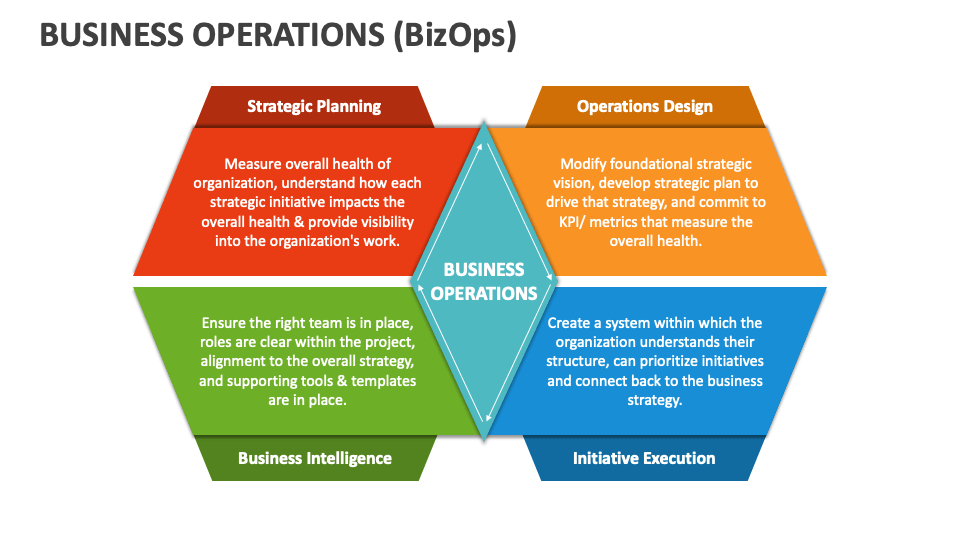
Starting a business can feel overwhelming, especially when you’re juggling operations, finances, and growth all at once. But setting strong operational foundations early makes everything smoother down the line.
- Define Your Mission and Goals: Align operations with what you want to achieve—monthly revenue targets, customer satisfaction levels, or growth milestones.
- Map Your Core Processes: From product sourcing or service delivery to customer onboarding, outline each repeating step to spot inefficiencies and set expectations. Templating these processes will speed up training.
- Choose the Right Tools: Invest in simple systems like inventory tracking, invoicing, and project management to avoid work overload and reduce human error. Automation saves time and resources. ([aofund.org](https://aofund.org/resource/6-tips-small-business-managers/?utm_source=openai))
- Separate Finances Early: Open business bank accounts and track all operational expenses separately. Good bookkeeping from day one prevents messy tax issues later. ([xero.com](https://www.xero.com/us/guides/small-business-management-guide/?utm_source=openai))
- Plan for Risks and Flexibility: Identify potential operational risks—supplier delays, workflow bottlenecks, regulatory changes—and build fallback plans. Be ready to pivot if needed. ([catalant.com](https://catalant.com/operations/the-ultimate-guide-to-business-operations/?utm_source=openai))
- Hire Smart & Train Well: Look for people who fit both the skills and culture of your business. Use structured onboarding and allow time for learning so operations stay consistent. ([xero.com](https://www.xero.com/us/guides/small-business-management-guide/?utm_source=openai))
Putting these building blocks in place early means you’ll be better prepared to handle bumps in the road, respond to opportunities, and scale when the time comes.
Leave a Reply